




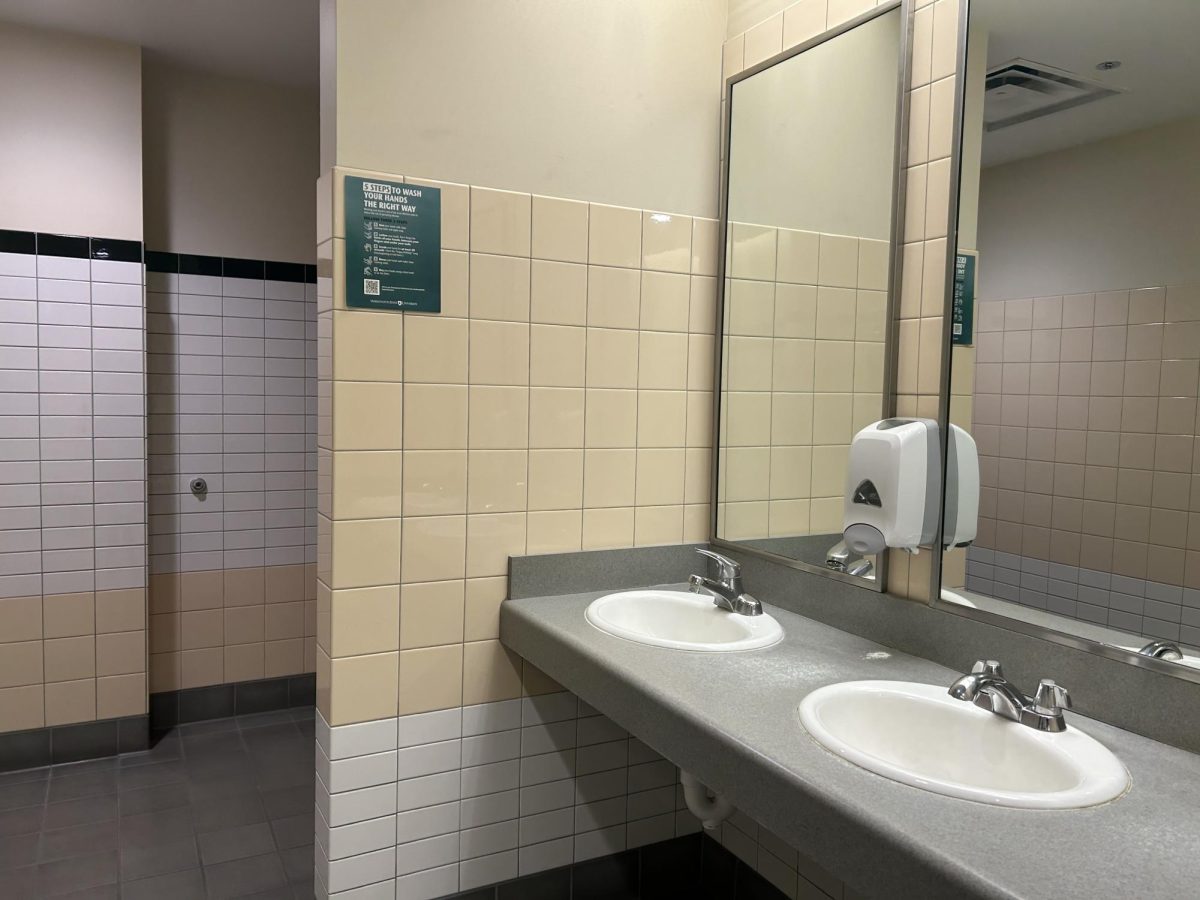
The brown water that occasionally comes out of the faucet may be alarming, but according to WSU’s Department of Environmental Health and Safety, it is safe to use.
“The Grande Ronde aquifer, which is both WSU’s and City of Pullman’s water source, contains minerals, including iron and manganese,” said Jason Sampson, director of WSU’s Department of Environmental Health and Safety. “When water sits stagnant in lines, the minerals can settle out and result in water that looks cloudy or brown.”
Despite its appearance, the water does not pose an inherent risk, Sampson said.
“WSU provides a Consumer Confidence Report to the WSU community, which includes the annual testing results,” he said. “These minerals at the levels in the drinking water are safe to use.”
According to the 2024 Annual Drinking Water Quality Report, the most recent available report of its kind, the Environmental Protection Agency and Washington Department of Health require the university to test for microbial contaminants, inorganic and organic chemical contaminants, pesticides and herbicides, radioactive contaminants and unregulated contaminants.
Sampling and testing varies by frequency and number each year, depending on several factors, including but not limited to the source of water, the source’s vulnerability to contamination and previous testing results.
To minimize risk, WSU chlorinates its drinking water with daily treatments to prevent microbial contamination, according to the report. Chlorine levels are also monitored, with at least 295 chlorine and microbial samples taken each year.
Should the water test unsafe, the university is required to immediately notify everyone who uses the water.
It should also be noted that some may be more vulnerable to contaminants than others.
“Immuno-compromised persons, such as persons with cancer undergoing chemotherapy, persons who have undergone organ transplants, people with HIV / AIDS or other immune system disorders, some elderly, and infants can be particularly at risk from infections,” the report said. “These people should seek advice about drinking water from their health care providers.”
Though the water is generally safe to use, Sampson said there are solutions to the discoloration or cloudiness.
“Even though the water is safe, aesthetics can deter people from wanting to use the water,” he said. “We tell people to run the water for a few minutes, and this should flush the system enough to eliminate the discoloration.”
Residents may also purchase water filters of their own, though this may not be a long-term solution.
“Water filters or purchased water can be alternatives,” Sampson said. “Although, filters quickly become unusable in areas with higher mineral content in the drinking water, because as it collects on the filter, flow is significantly reduced.”
Residents living on campus who have questions or concerns about their water may contact Facilities Services for assistance at (509) 335-9000.


