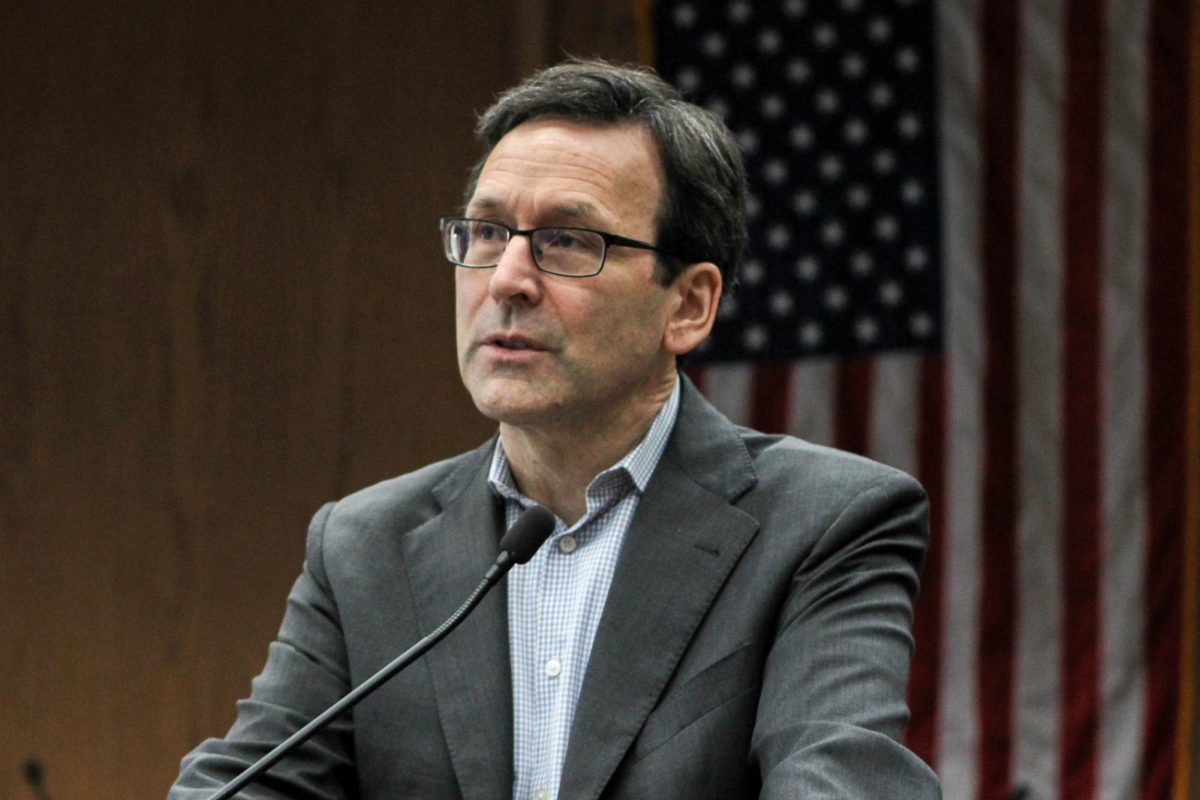



Sen. Ted Cruz, R-Texas, and Sen. Maria Cantwell, D-Wash., introduced a bipartisan bill aiming to restore stability in college sports. The bill, called the Protect College Sports Act of 2026, would create regulations on transfers and name, image and likeness deals, while protecting non-revenue generating sports and prohibiting the consolidation of certain large-revenue conferences.
The hope is the bill would level the playing field between NCAA conferences. There would be targeted antitrust protections for schools, conferences and associations that enforce the bill.
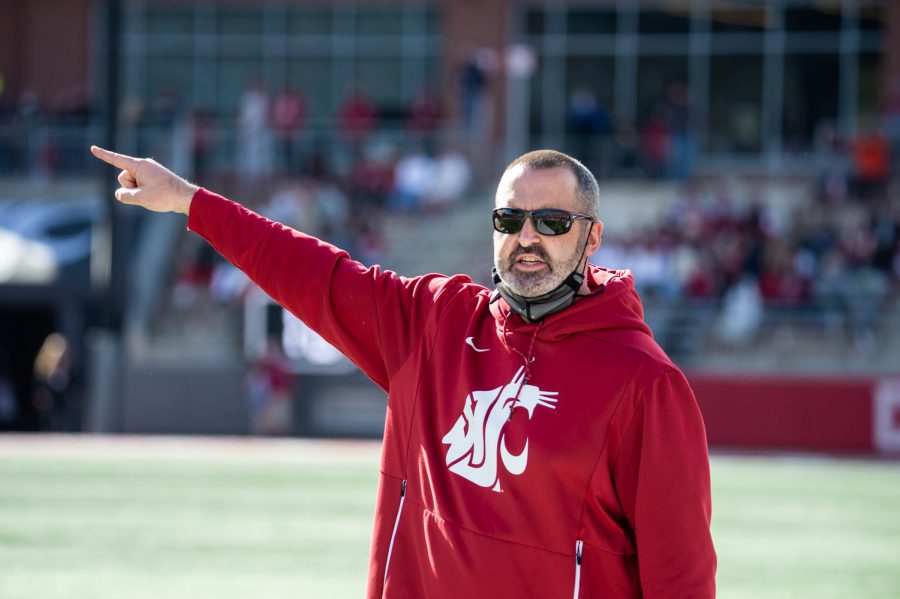
“We need rules. We have to have rules,” WSU Athletic Director Jon Haarlow said at a networking event in Seattle on May 29. “Whether we agree on what all those rules are or not, we need rules, and this [legislation] is a step in the right direction.”
The bill limits student-athletes to one transfer without losing eligibility, not including any exceptions for coach departures, discontinued sports, graduate study and sexual assault or harassment.
Student-athletes can earn NIL compensation and retain agents, but any amount over $600 earned must be disclosed. However, the bill forbids NIL agreements designed to evade the current $20.5 million revenue-sharing cap each school is permitted under the agreement the House and NCAA settled on last year.
Booster-funded collectives are currently funding college athletes in addition to the cap. Since the collectives are third-party funds, they do not count against the universities’ revenue cap. This allows larger schools with wealthy donors to pay student-athletes more money, driving in higher-end talent.
Prohibiting this third-party system would make money significantly less of a factor in student-athlete transfer and commitment decisions, possibly giving smaller division one universities a chance to sign and keep top prospects.
The revenue-sharing cap would continue, and student-athlete agents must be certified under this new bill. Agents’ fees are capped at 5%, and agents who violate applicable rules can be fined, decertified or subject to other disciplinary measures.
The legislation protects non-revenue generating sports, including women’s and Olympic intercollegiate athletic programs, by mandating universities to offer at least as many grant-in-aid opportunities and roster spots to them as they did during the 2024-2025 academic year.
There is also a rule against college football coaches or key staff leaving mid-season to work for another FBS program.
The bill is similar to the Student Compensation and Opportunity through Rights and Endorsements Act, which was presented by the House of Representatives. The SCORE Act has since stalled and been pulled from the House’s voting schedule.
One of the key differences between the two is that the SCORE Act labeled student-athletes as non-employees, while the Protect College Sports Act is neutral on the matter. That non-partisan decision leaves that highly debated issue for future legislation to handle.
The ACC and Big 12 officially sent in letters of support regarding the bill. The Pac-12 has not officially stated its support, but many outlets, such as ESPN, claim they back the legislation.
The Big Ten and SEC jointly released a statement June 2, saying they were not supportive of the legislation “as drafted.” A week later, both conferences worked with the two senators on the bill and had “constructive” and “productive” dialogues.
The conferences said they would continue these dialogues to help bring college sports a stable future.
The SEC and Big Ten oppose the part of the legislation that rewrites the Sports Broadcasting Act of 1961 to allow schools and conferences to form a covered entity to pool and sell certain sports media rights. Pooling the media rights would be voluntary for the schools and conferences, but only possible provided 75% of the current FBS schools agree to do so.
It could help schools and conferences with smaller network deals, but the SEC and Big Ten do not believe it would be beneficial to themselves, as they make the most money from media rights.
Cruz told Yahoo! Sports that pooling the rights would not generate “the revenue bump” without the Big Ten and SEC joining.
“It’s a far cry from being able to happen,” Haarlow said about universities pooling media rights, particularly from bigger conferences. “It’s good in theory, but it’s got some work to do.”
The United States Senate Committee on Commerce, Science and Transportation held a hearing on the bill June 3. It was introduced to the House on June 4.
The bill must still pass through the Senate and House before the President can sign it into law.
Whether it will be signed into law this year is to be determined.
It has momentum with the Big Ten. The SEC is also showing signs of support, along with key figures, such as President Donald Trump, who wants legislation to protect the future of college athletics. However, the Senate and House only have roughly 60 or fewer voting days remaining in 2026, due to major recesses in August and October.