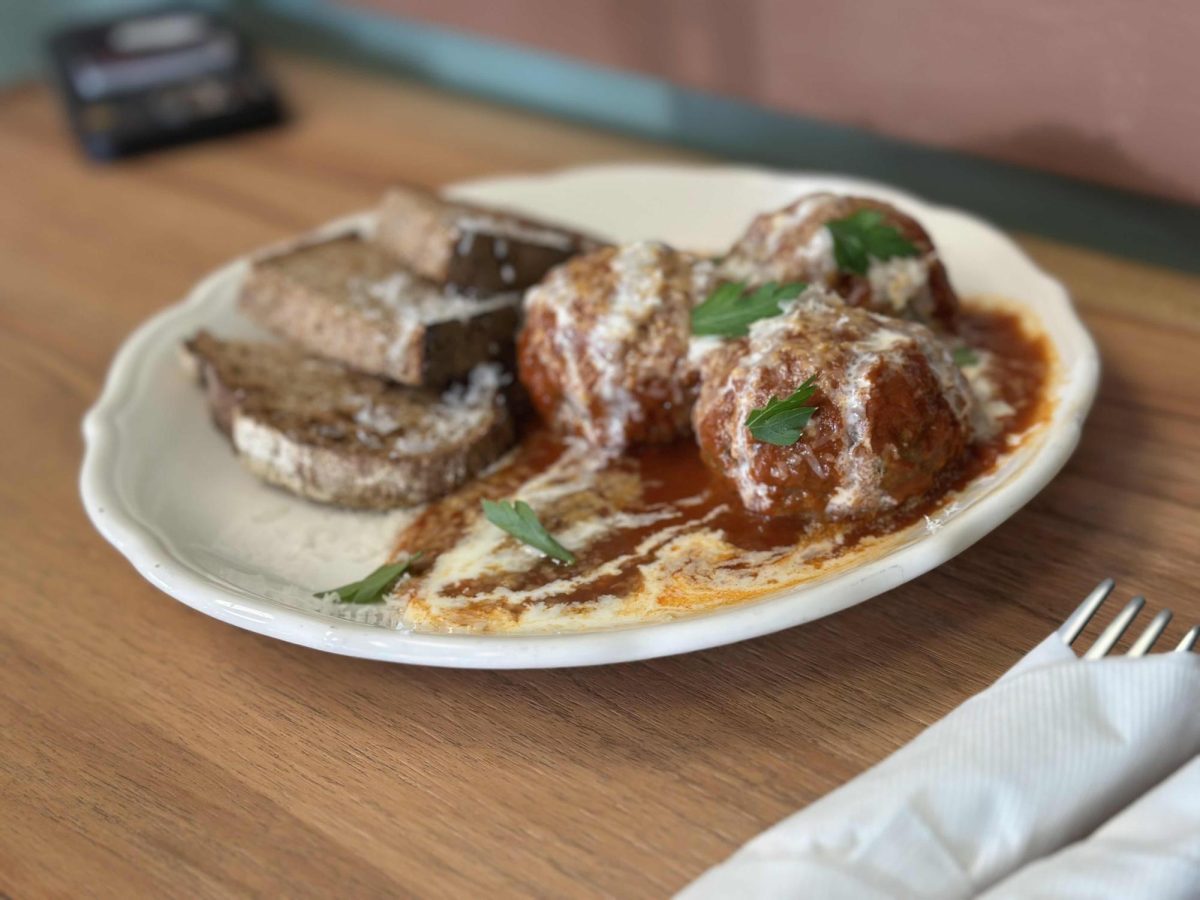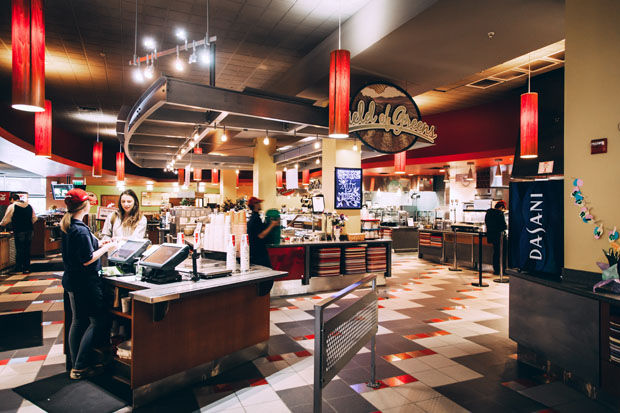




WSU Dining Services is reducing its waste and supporting WSU’s community by partnering with the Cougar Food Pantry to repackage unserved portions from our dining halls and provide them for the Coug community through the Food Pantry.
Cougar Food Pantry, a food pantry under the Center for Community Engagement, is a resource for undergraduate and graduate students alike who are struggling with food insecurity. The service is run by professional staff, student staff, interns and volunteers who have the shared goal of feeding their community.
Eli Silva, a third-year animal science pre-vet student and the student manager of the Cougar Food Pantry, said the pantry is using time and space in the WSU Catering Services kitchen on the second floor of the CUB.
Silva said there are still some managerial challenges being worked out to divide staff between repackaging food during their designated time at Catering Services and the pantry itself. The operating hours of Cougar Food Pantry and their slot at the catering kitchen overlap, which contributes greatly to the challenges.
In the Catering Services kitchen, the staff of the pantry repackage the bulk portions brought in reuse pass containers. There is now a reuse pass drop box outside the pantry, and Catering Services is responsible for the pick-up and processing of the dropped off containers.
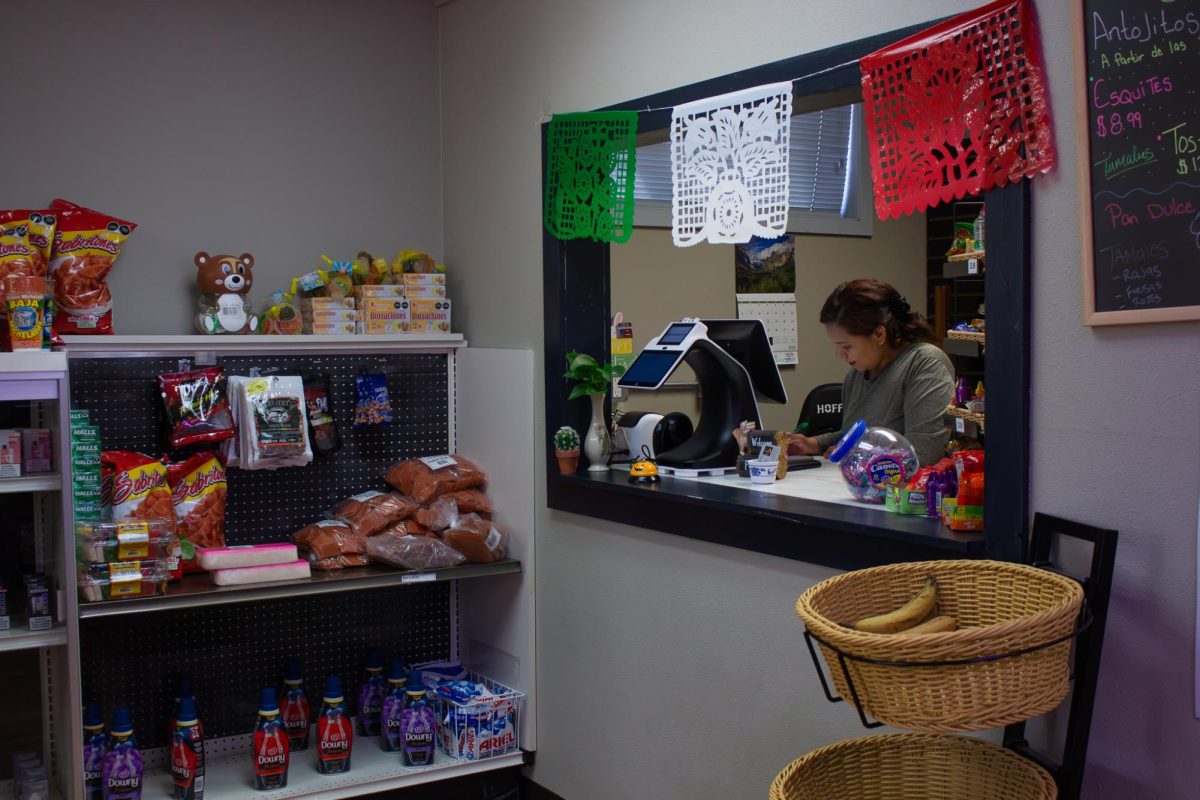
There is the same scanning system at the check-out counter in the Cougar Food Pantry as there would be at any of the dining halls on campus. The reuse pass boxes are also kept track of in the same way, where folks will be notified as the container gets close to its return time.
The Reuse Pass integration has come with a few hiccups. With the Cougar Food Pantry acting as a support for parts of the WSU community that do not regularly use the dining halls, such as graduate students, many people are just learning the Reuse Pass system as they are checking out.
The second issue being a shortage of Reuse Pass containers provided for all of the bulk food they repackage. Silva said the container discrepancy and other kinks in the system are short-term issues as everyone adjusts to the new partnership.
Even with the hiccups the food pantry has encountered, Silva said the reaction to the new dining services meals has been positive, and multiple people who have utilized the pantry have been curious enough about the new system to ask questions.
Daichi Yasui, an intern for the Cougar Food Pantry and fourth-year sociology student, said the repackaged meals from the dining halls give folks a reliable and nourishing option when they are in need of financial and nutritional support.
Yasui said the Food Pantry is supported by many local donors, such as Rosauer’s. However, he has observed a lack of consistency among donors and food from week to week. The partnership with dining services has bolstered the reliability of the stock for the pantry.
Silva similarly believes the long term impacts of this new program will be really positive, and those at Cougar Food Pantry are excited for this new opportunity to feed their community.